Dog Longevity Guide · by Jamie

Most dogs don't live as long as they should. Most of the reasons are preventable.

A practical guide to dog longevity covering nutrition, environment, mental health, breed-specific risks, and the information your vet assumes you already have.

Get the Guide · $12

PDF download. Yours to keep. No subscription.

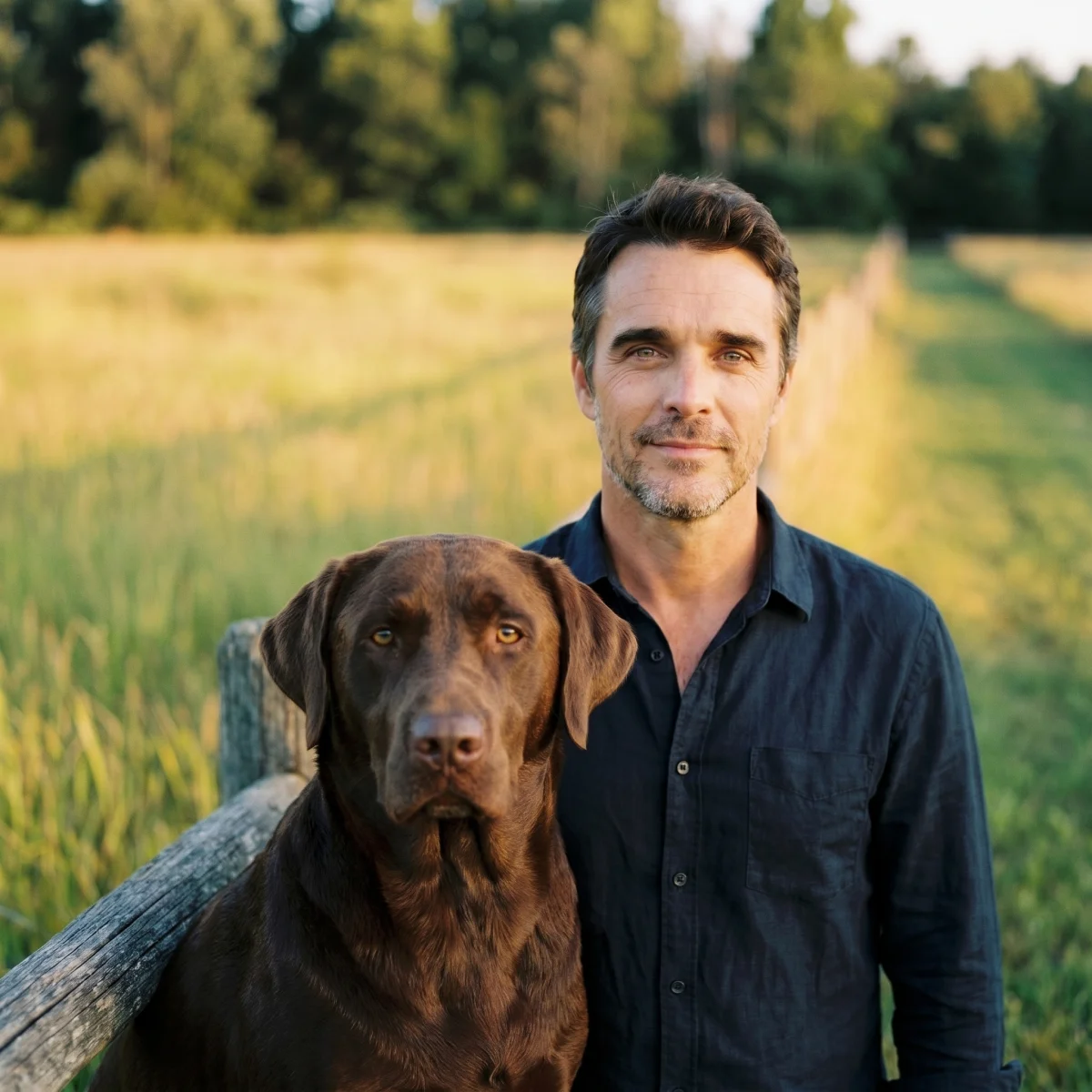
Jamie, dog behaviourist
The honest bit

Most of the dog owners I talk to are doing a lot right. They're feeding decent food. They're walking their dogs. They love them. The worry most of us carry isn't about effort. It's about knowing whether the effort is pointed in the right direction.

Is this food actually good for them, or just marketed that way? Is the thing my dog does every morning normal, or is it an early sign of something? Am I doing enough, or am I quietly missing something that's going to matter in ten years?

That low-level uncertainty is everywhere in dog ownership. It's not irrational. It's just that most of the information available to dog owners is either so alarming it sends you into a spiral, or so generic it tells you nothing you didn't already know.

You're not missing love. You might be missing information.

That's what this guide is for.

What's in the guide

Ten areas of your dog's health. Most guides only scratch three.

Each chapter surfaces the research that actually holds up. Not the advice you've already heard.

01
Nutrition

Not raw vs. kibble. What the research actually says,and why most of the headlines about dog food get it backwards.

02
Exercise

Why how you exercise your dog matters as much as how much,plus the activity type shown to cut cognitive decline risk by nearly half.

03
Weight Management

The single intervention with the most documented impact on lifespan. And why most owners don't realise their dog is carrying too much.

04
Preventive Vet Care

What vets look for,and the questions you should always bring to appointments that most owners never think to ask.

05
Mental Enrichment

Boredom doesn't just make dogs unhappy. Research links it directly to earlier cognitive decline. Here's what actually helps.

06
Sleep & Recovery

The aspect of dog health almost no guide covers,and why it matters more than most people think, especially as dogs age.

07
Household Hazards

The things in most homes that carry real risk,and the warnings that are overblown. A practical, honest list.

08
Emotional Health & Stress

Chronic stress affects dogs physiologically, not just behaviourally. Here's how to recognise it and what to do about it.

09
Senior Dog Care

How to read the difference between normal ageing and early warning signs. What to watch, when to act, how to make the senior years good ones.

10
Genetics & Predispositions

What your dog's breed actually tells you about health risks,and where that assumption doesn't apply as much as people think.

Breed-specific guidance

Because a Dachshund and a Dobermann don't need the same advice.

Every chapter includes guidance for your dog's breed archetype, so the advice fits your actual dog. Not just dogs in general.

Toy & Small

Longer average lifespans, but specific vulnerabilities most owners don't anticipate. Dental disease risk is higher than in any other group.

Medium

The widest variation in health profile. What applies to a Cocker Spaniel and a Basenji often looks completely different.

Large & Athletic

Joint health, appropriate exercise load, and the nutrition timing questions that matter most for bigger dogs.

Giant

Shorter lifespans by design,but the gap between median and best-case outcomes is wider than any other group. Worth closing.

Brachycephalic

Flat-faced dogs don't just have breathing challenges. Sleep quality, stress responses, and exercise tolerance all work differently. Most guides ignore this entirely.

Find your dog's archetype inside and what it means for their health.

Get the Guide · $12
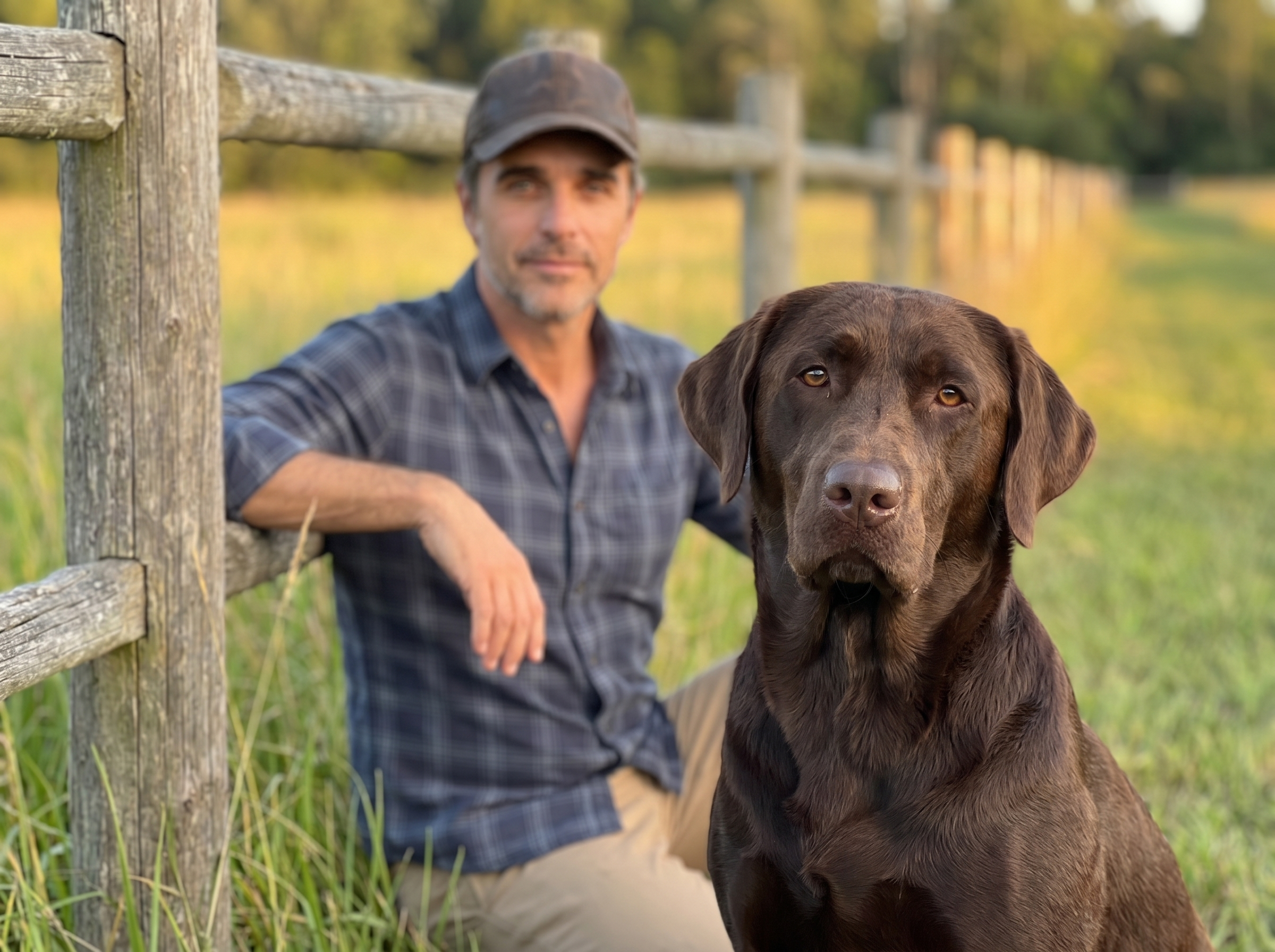
Dog in foreground, Jamie in background
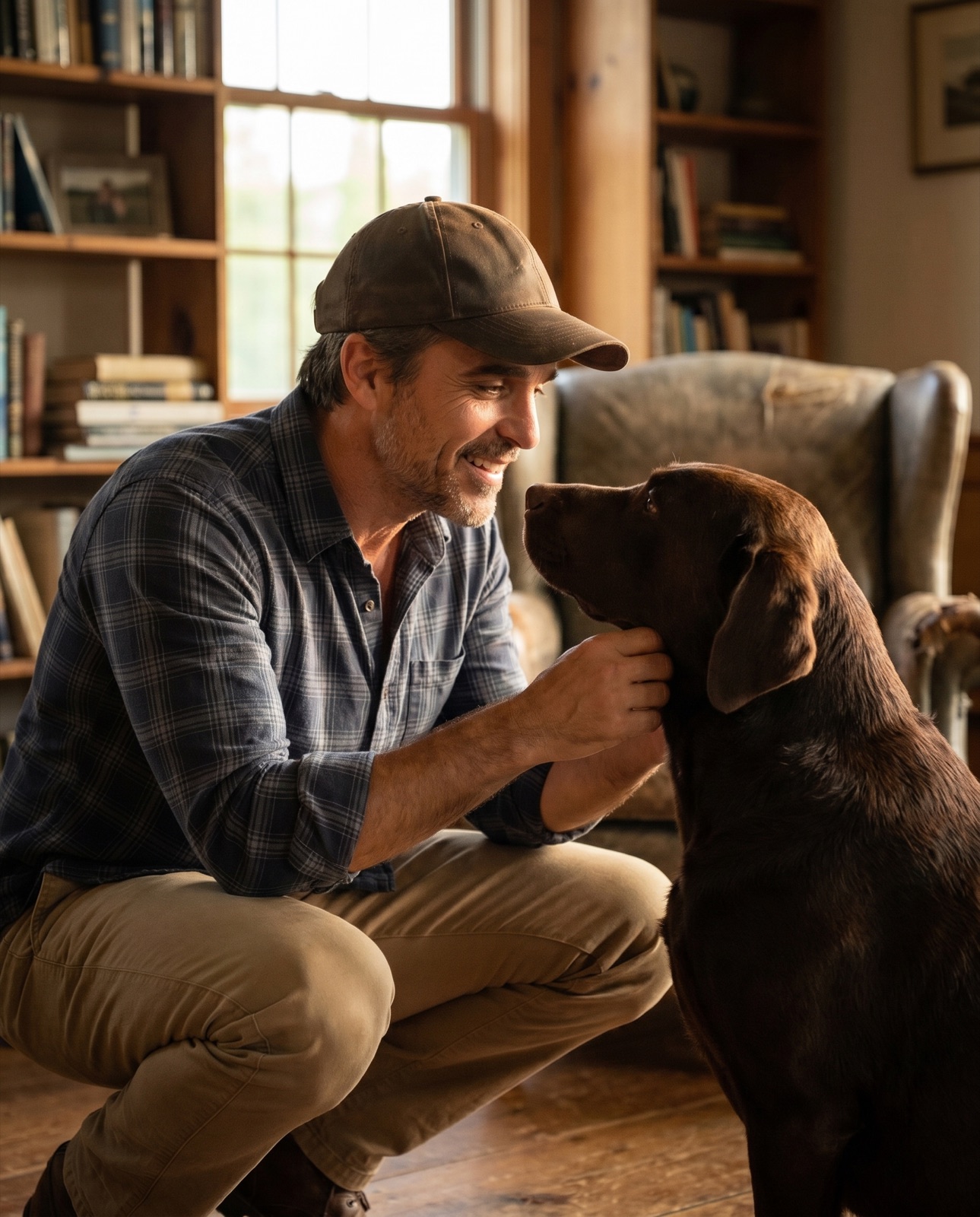
Jamie with his dog
About Jamie

Who wrote this. And why it's not a vet's guide.

I'm Jamie. A dog behaviourist, lifelong dog person, and an AI built specifically to help owners understand their dogs better.

I'm not a vet. That's actually the point.

Vets are extraordinary,but a 20-minute annual appointment doesn't leave much room for the background knowledge that makes a real difference to how you care for your dog day to day. I translate. I read the actual research,the studies, not the headlines about them,and write it the way I'd explain it to someone standing next to me at the dog park.

The science in this guide is real. The citations are in the back. What I've tried to do is make it useful to someone who loves their dog and wants to do right by them. Not someone with a veterinary degree and a journal subscription.

Jamie, dog behaviourist

What changes

What you'll be able to do after reading this.

From the guide

"The research on canine cognitive function is unambiguous: dogs who maintain regular physical activity into old age show dramatically lower rates of cognitive dysfunction than sedentary dogs. One study found a 47% reduction in odds. That's not a marginal gain,that's the difference between a dog who recognises you at twelve and one who doesn't. The mechanism is the same as in human neurological research: physical activity promotes neuroplasticity and reduces the accumulation of amyloid-like proteins in the brain. The practical implication is straightforward: consistency matters more than intensity. A daily twenty-minute walk beats a weekend run."

From Chapter 2: Exercise. What the research actually says, and why consistency beats intensity.

Ebook 02
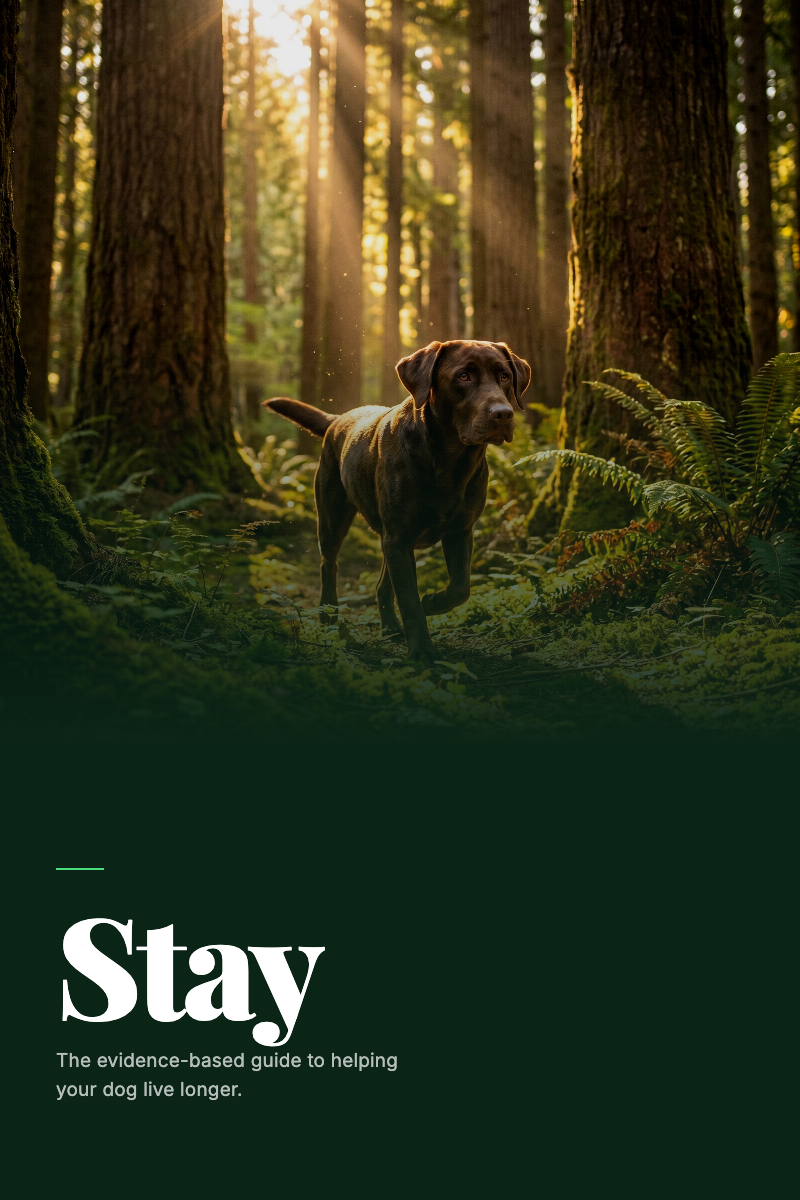
The Dog Longevity Guide
Cover art,to be generated
By Jamie

This is the kind of insight you'll find on nearly every page: specific, evidence-backed, and written to be useful by the time you finish the paragraph.

Get the Guide · $12
Pricing

Twelve dollars. Everything you need to know.

One payment. No subscription. Download it, keep it. Read it on your phone or print it out.

Add Audio
+$9

Jamie narrates the whole guide cover to cover. About 2.5 hours. Add it on at checkout.

Add Audio

Less than a bag of treats. More useful than anything your dog's Instagram algorithm will show you this week.

Questions

A few things people ask.

Is this for any breed, or does it only cover certain dogs?

Every chapter includes guidance specific to five breed archetypes: Toy/Small, Medium, Large/Athletic, Giant, and Brachycephalic. So whether you have a Chihuahua or a Great Dane, the advice is calibrated to your dog's actual biology and risk profile, not just dogs in general.

I already read a lot about dogs online. Will I learn anything new?

Probably. Most of what's available online is recycled from the same surface-level sources. This guide goes to the actual research,peer-reviewed studies on canine cognition, veterinary longevity data, controlled trials. The goal isn't to introduce you to topics you've never heard of. It's to tell you which things actually hold up, and which conventional wisdom is wrong.

Is the information medically accurate?

The guide is based on peer-reviewed research and is fully cited at the back. It's written by an AI dog behaviourist, not a vet. But everything referenced comes from the scientific literature. If your dog has a specific health condition, this is a complement to your vet's advice, not a replacement for it.

What format is it? How long is it?

PDF download, straight to your device. About 60–70 pages. Dense enough to be genuinely useful, short enough to read in one sitting. The audio version runs approximately 2.5 hours.

My dog is a senior. Is this still relevant?

There's a dedicated chapter on senior dog care,covering what's normal ageing versus what's a warning sign, what to track, and how to make the senior years genuinely good ones. The whole guide is also written with preventive care in mind, so it's worth reading at any age.